AI-POWERED GENOMIC SIGNAL DETECTION
Advancing Early Cancer Detection Through Genomic Science
Early Signal Diagnostics is developing a sophisticated blood test that utilizes artificial intelligence and genomics to investigate potential cancer-related early diagnostics before symptoms appear. Our efforts, based on research into markers in genomic and epigenomic sciences, focus on contributing to early cancer diagnosis through innovative testing methodologies.
Simple Blood Test
The first step towards analyzing these genomic and epigenomic biomarkers for possible cancer signals is obtaining a small blood sample.
AI-Powered Analysis
The advanced algorithm-based analysis of genomic data helps identify cancer signals that are hard to find by conventional methods.
Multi-Cancer Detection
Our research explores multi-cancer early detection by examining genomic and epigenomic biomarkers that may indicate signals associated with different cancer types in the body.
Earlier. Actionable. Better.
By investigating potential cancer signals earlier, our research aims to support timely clinical evaluation and help inform healthcare decisions alongside established medical screening.
ABOUT EARLY SIGNAL
The Science Behind Early Cancer Detection
Early Signal Diagnostics is developing a next-generation blood test that will examine genetic and epigenomic indicators linked to cancer. Our approach to early diagnostics involves examining cell-free DNA, including DNA methylation patterns, to uncover potential cancer signals before symptoms appear.
We use genomics, advanced data analysis, and emerging AI technologies to investigate new cancer detection strategies. Our objective is to promote cancer research by developing smarter, more accessible testing methods that enable earlier clinical investigation.
THE GAP WE AIM TO CLOSE
A New Approach to Early Cancer Detection
Late-Stage Diagnosis
Some cancers may not be recognized until symptoms occur, indicating that the disease has advanced, and treatment options may become more limited in some situations.
Earlier Detection Matters
Early cancer detection research may aid in the identification of potential warning signals, allowing for timely medical evaluation and appropriate management.
One Simple Test
Early Signal is developing a blood-based approach that analyzes genomic and epigenomic biomarkers to investigate potential cancer-related signals across multiple cancer types through ongoing research.
Exploring Early Cancer Detection Through AI and Genomics
Early Signal Diagnostics is working to advance multi-cancer early detection through an innovative combination of genomic science and computational analysis. Our developing approach examines biological patterns in cell-free DNA to investigate signals associated with different cancer types.
By combining research-driven methods with AI medical diagnostics, we aim to improve how complex genomic information is analyzed and interpreted. We believe continued scientific investigation, rigorous validation, and collaboration are essential to developing more informed approaches to cancer detection.
OUR TECHNOLOGY
Innovating Cancer Detection Through Genomic Research
We integrate genomic and epigenomic research with advanced computational methods to investigate potential cancer signals in the bloodstream. Our technology focuses on identifying meaningful patterns that can support the development of future detection approaches.
Methylation Biomarkers
We examine DNA methylation patterns in cell-free DNA to investigate epigenetic changes associated with cancer.
Multi-Omics Integration
Our research explores combining methylation data with other molecular biomarkers to build a broader understanding of biological signals.
AI & Machine Learning
Machine learning models help analyze complex genomic datasets and investigate patterns that may be associated with cancer.
Early Signal Detection
Our developing technology aims to identify potential cancer-related signals before symptoms become apparent.
How AI and Genomics Are Shaping Cancer Detection
1. Blood Draw
A blood sample is collected to provide the biological material needed for genomic and biomarker analysis.
2. Genomic Analysis
Cell-free DNA is examined to identify relevant genomic variations and DNA methylation patterns.
3. Al Interpretation
AI models analyze genomic data to identify patterns and potential cancer-associated signals.
4. Research Insights
Findings are evaluated through research and validation to assess their potential relevance for further clinical investigation.
OUR RESEARCH
Advancing Cancer Research Through Genomic Innovation
Early Signal Diagnostics is developing its technology through ongoing research and clinical validation. Our focus is on evaluating the scientific performance, reliability, and potential clinical relevance of our approach.
In Development
Our blood-based early cancer detection test is currently in development, with research focused on genomic analysis and technology validation.
Clinical Studies
We are conducting clinical research to evaluate the technology, investigate its performance, and assess its potential across multiple cancer types.
Future Impact
Our long-term goal is to contribute to the future of multi-cancer early detection through scientifically evaluated technology and continued innovation.
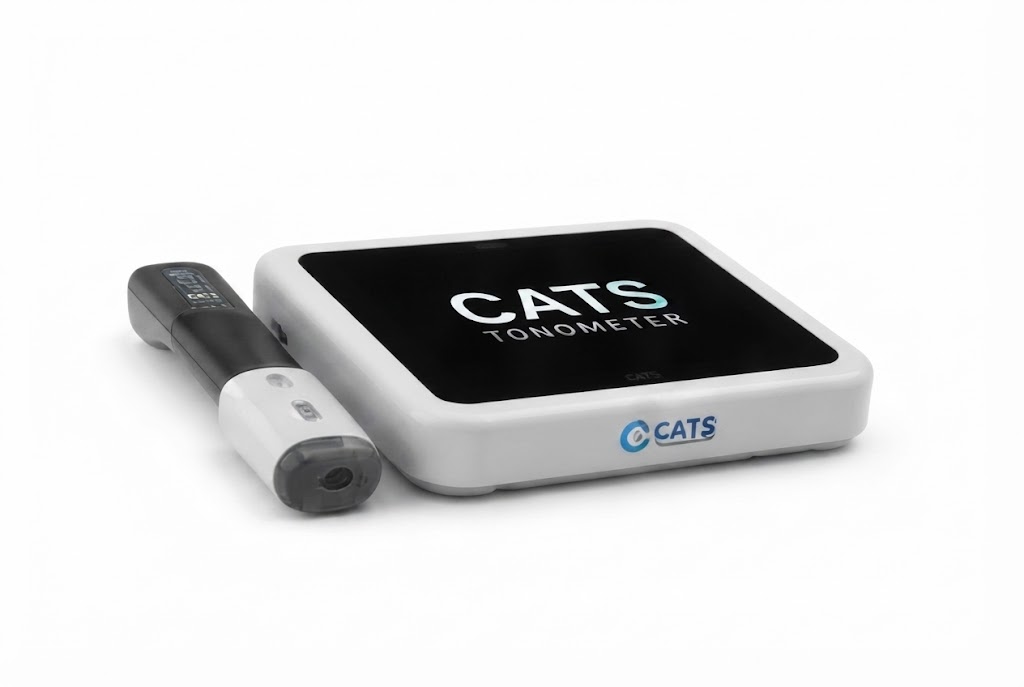
CATS TONOMETER
CATS Tonometer: Advanced Intraocular Pressure Measurement
The CATS Tonometer is an innovative instrument designed for ophthalmology. It includes a special prism that can be used with Goldmann-type tonometers to measure intraocular pressure (IOP). The specially designed prism helps to reduce error in measurements caused by variation in the cornea and tear film. The ergonomic design makes it easy to handle and provides comfortable patient examination. Available in both reusable and sterile disposable versions, the tonometer can help ophthalmologists and eye care professionals measure intraocular pressure, aid diagnosis and monitoring of glaucoma, and enable informed decisions to be made regarding ocular health.
Join Us in Advancing Cancer Detection Research
Be part of the conversation shaping the future of cancer research. Connect with Early Signal Diagnostics to learn about our technology, ongoing research, and development initiatives.
Frequently Asked Questions
1. What is early cancer detection?
Early detection of cancer entails the determination of any cancer indicators before the development of any symptoms of the disease. The approaches used to screen for cancer depend on the type of cancer and other risk factors.
2. How does a multi-cancer blood test work?
The multi-cancer blood screening test is a method used to analyze biological markers in the blood sample, including cell-free DNA and methylation, which could potentially point to the presence of cancer in an individual’s body.
3. What makes Early Signal Diagnostics different?
The Early Signal technology integrates genomics, epigenetic biomarkers, and AI-based computational analysis to investigate potential cancer signals. The technology is under development and validation.
4. What role does AI play in cancer detection?
AI can help researchers analyze complex biological datasets, identify patterns, and investigate potential biomarkers. Its effectiveness depends on the quality of data, model validation, and clinical evidence.
5. Is the Early Signal blood test currently available?
The Early Signal technology is currently in development and clinical validation. It is not being presented as an established or commercially available screening test.